June 5, 2026
In this article, we will delve into the crucial steps involved in addressing air conditioning issues and explain why working with a qualified HVAC professional is often the safest and most effective solution. Understanding the repair process can help homeowners recognize warning signs early and communicate more effectively with technicians when problems arise. Professional air conditioning repair not only restores comfort and efficiency but also helps prevent future issues through accurate diagnostics and routine maintenance. This guide is designed to help property owners understand what to expect during the repair process and why professional expertise is essential for keeping AC systems operating safely and efficiently.
1. Assess the Problem
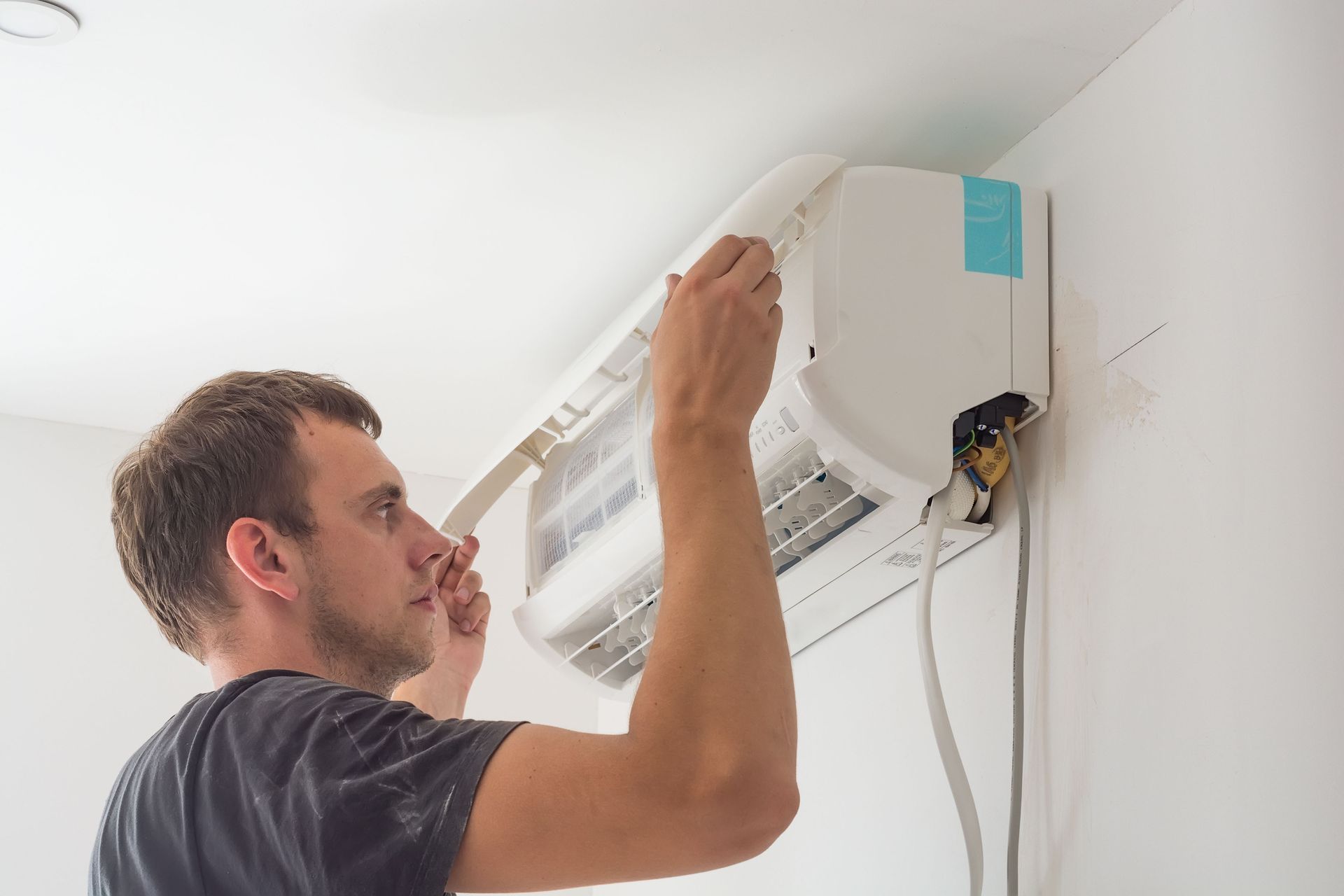
Identifying the symptoms of a malfunctioning air conditioner is the first critical step in resolving system issues. Common warning signs include unusual noises, inconsistent temperatures, weak airflow, and rising energy bills. A trained HVAC technician will often begin with a visual inspection to look for signs of wear, corrosion, leaks, or physical damage to components. Addressing these symptoms early can help prevent minor concerns from developing into larger and more expensive repairs. A professional assessment ensures the underlying issue is accurately identified before repairs begin.
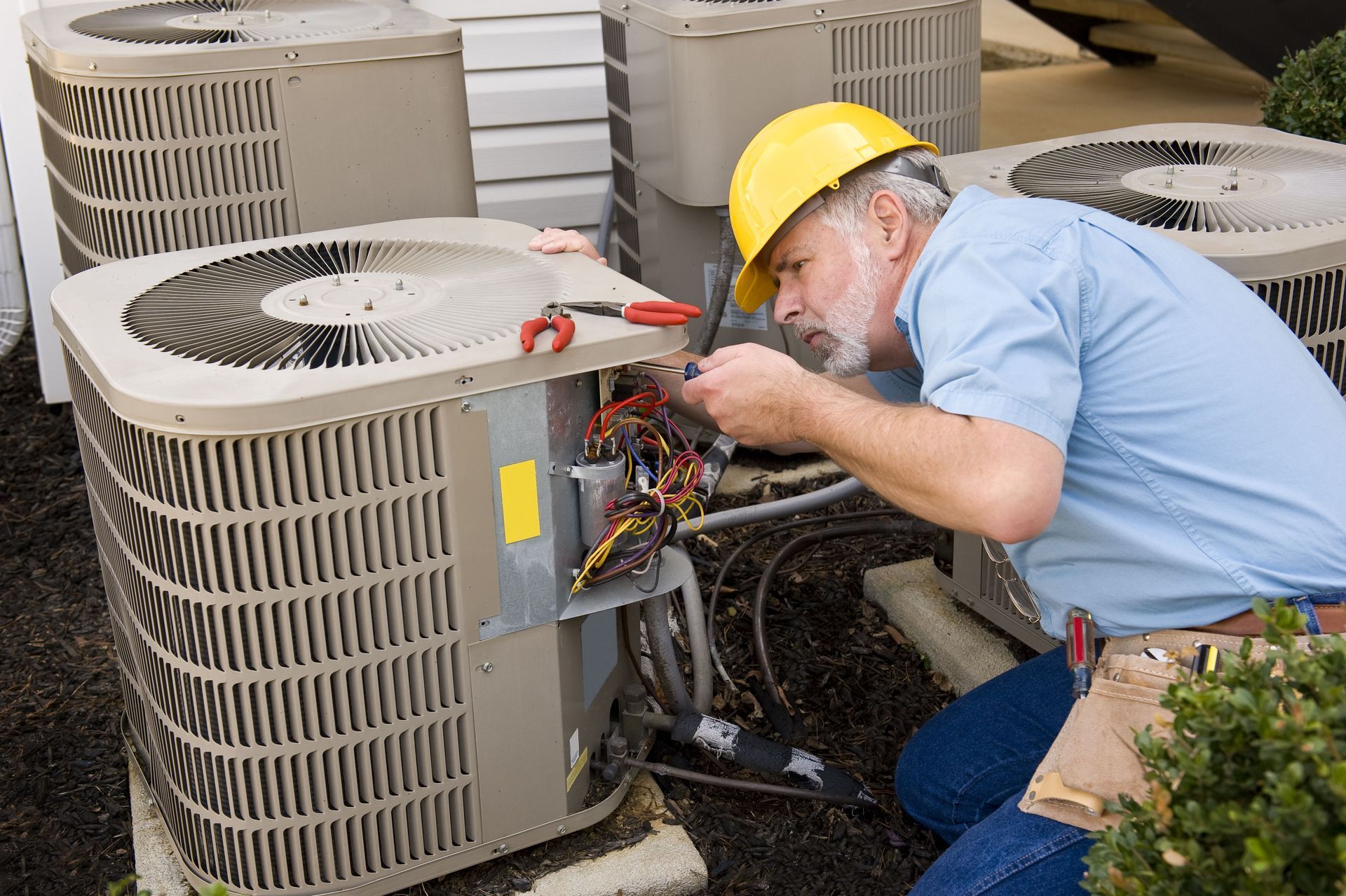
Diagnosing AC problems requires technical knowledge and specialized equipment. HVAC professionals inspect critical components such as thermostats, evaporator coils, condenser coils, and electrical connections to determine the root cause of the issue. They may also use advanced diagnostic tools to evaluate refrigerant levels, airflow restrictions, or electrical system malfunctions. Professional troubleshooting minimizes the risk of misdiagnosis and helps ensure the repair process is completed efficiently and correctly.
Many common AC issues, such as refrigerant leaks, frozen coils, and drainage problems, require immediate professional attention. Refrigerant leaks can significantly reduce cooling performance and may pose environmental or health concerns. Frozen coils often indicate airflow or mechanical issues, while clogged drainage systems can lead to water damage and mold growth. According to Leads 4 Build, the U.S. HVAC contractor market generated approximately $156.2 billion in 2025, highlighting the growing demand for skilled HVAC professionals and the importance of properly maintained cooling systems.
Professional technicians also understand how external factors can impact an air conditioning system’s performance. Poor insulation, dirty air filters, blocked vents, and aging ductwork can all contribute to reduced efficiency and uneven cooling. During an inspection, HVAC specialists evaluate the entire system rather than focusing solely on one visible symptom. This comprehensive approach allows them to identify hidden concerns that could lead to future breakdowns if left unresolved. By addressing the root causes of performance issues, professionals help improve system reliability and long-term energy efficiency.
2. Gather Necessary Tools and Parts
Professional HVAC technicians rely on specialized tools and equipment to safely and effectively repair air conditioning systems. Common tools include gauges, vacuum pumps, electrical testing equipment, and coil cleaning tools designed specifically for HVAC applications. Using the correct equipment helps technicians diagnose problems accurately and complete repairs according to manufacturer standards. Attempting repairs without proper tools can lead to further damage or safety risks.
Replacement parts are another important component of professional AC repair. HVAC professionals source manufacturer-approved parts that are compatible with the specific make and model of the air conditioning system. Using authentic replacement components helps maintain system performance, energy efficiency, and warranty compliance. Experienced technicians also understand how to identify related issues that could affect long-term operation, reducing the likelihood of repeat repairs.
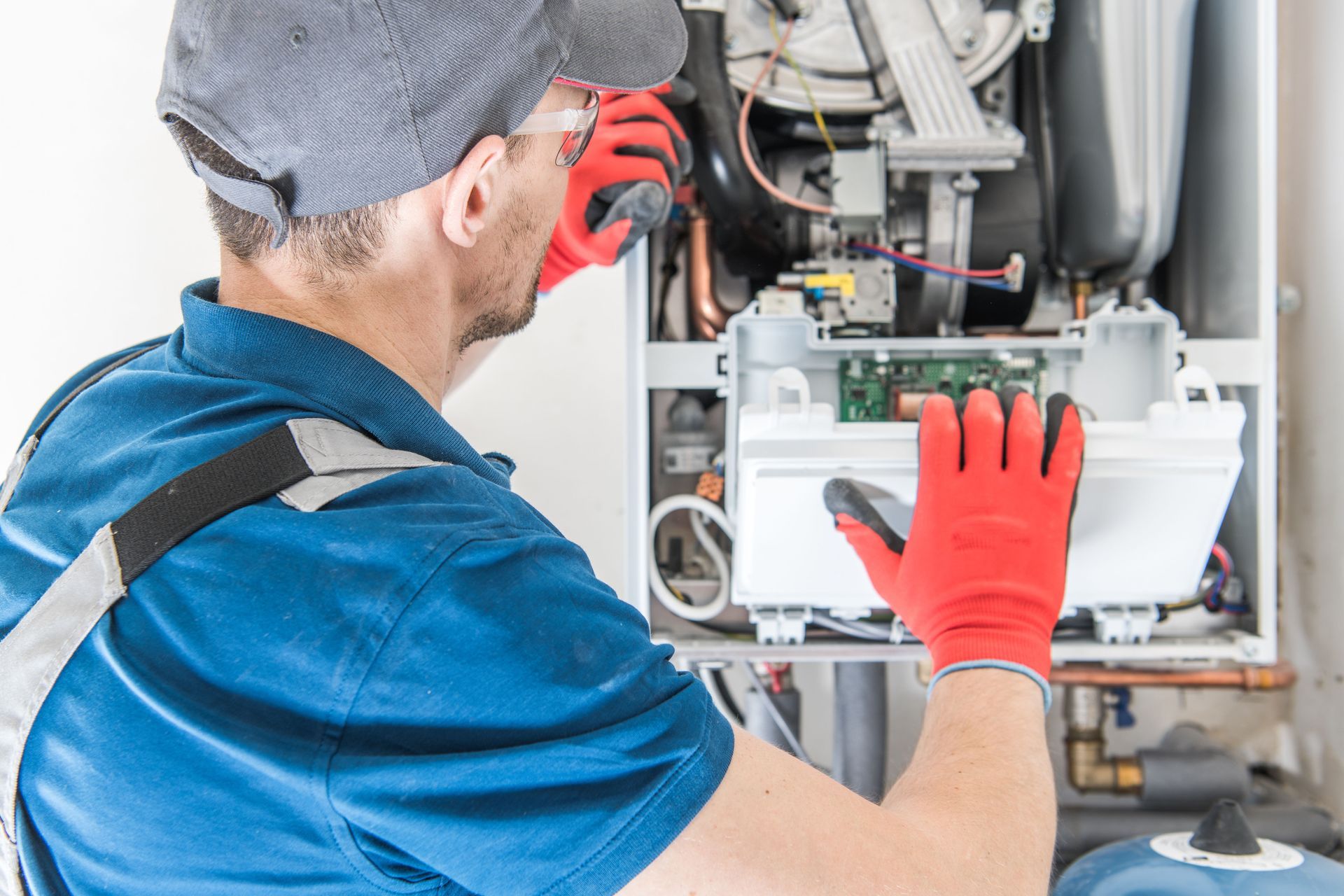
Safety equipment is essential during any HVAC service. Technicians wear gloves, goggles, and other protective gear to guard against electrical hazards, sharp components, refrigerant exposure, and airborne debris. Proper safety procedures help protect both the technician and the property during the repair process. Homeowners should avoid handling electrical systems or refrigerants themselves, as improper handling can result in serious injury or costly damage.
In addition to repairs, HVAC professionals use maintenance materials such as filters, cleaning agents, and lubricants to help improve overall system performance. Routine maintenance services performed by trained technicians can extend the lifespan of the equipment, improve indoor air quality, and reduce the likelihood of emergency breakdowns. Professional maintenance also helps ensure the system continues operating efficiently throughout the year.
Another advantage of hiring a professional HVAC company is access to advanced replacement parts and manufacturer resources. Many modern air conditioning systems contain complex electronic controls and energy-efficient technologies that require specialized knowledge to service correctly. Professional technicians stay current with industry standards and manufacturer updates, allowing them to recommend appropriate solutions for newer systems. Their expertise helps property owners avoid unnecessary expenses caused by improper installations or incompatible replacement components.
3. Ensure Safety Precautions
One of the most important parts of any air conditioning repair is ensuring the system is safely powered down before work begins. HVAC technicians follow strict procedures to disconnect electrical power and verify that the equipment is safe to service. This step is essential for preventing electrical shock and protecting sensitive system components during repairs. Working with live electrical systems without proper training can be extremely dangerous.
Refrigerants must also be handled carefully and in compliance with environmental regulations. These substances are stored under high pressure and require specialized certification to manage safely. Licensed HVAC professionals follow EPA guidelines for refrigerant handling, recovery, and disposal to protect both people and the environment. Attempting to handle refrigerants without certification may violate regulations and create safety hazards.
Personal Protective Equipment (PPE) plays a major role in maintaining a safe work environment during AC repairs. Technicians use gloves, eye protection, and masks to reduce exposure to dust, debris, chemicals, and sharp components. Proper safety practices allow HVAC professionals to complete repairs more efficiently while minimizing the risk of accidents or injuries on the job.
Professional HVAC companies also carry insurance and licensing that provide additional protection for homeowners. Hiring a licensed contractor helps ensure the work meets local building codes and safety standards. This added level of accountability gives property owners greater peace of mind throughout the repair process. In many cases, professional repairs also help preserve manufacturer warranties that could become void if unauthorized work is performed on the system.
4. Perform the Repair
Professional
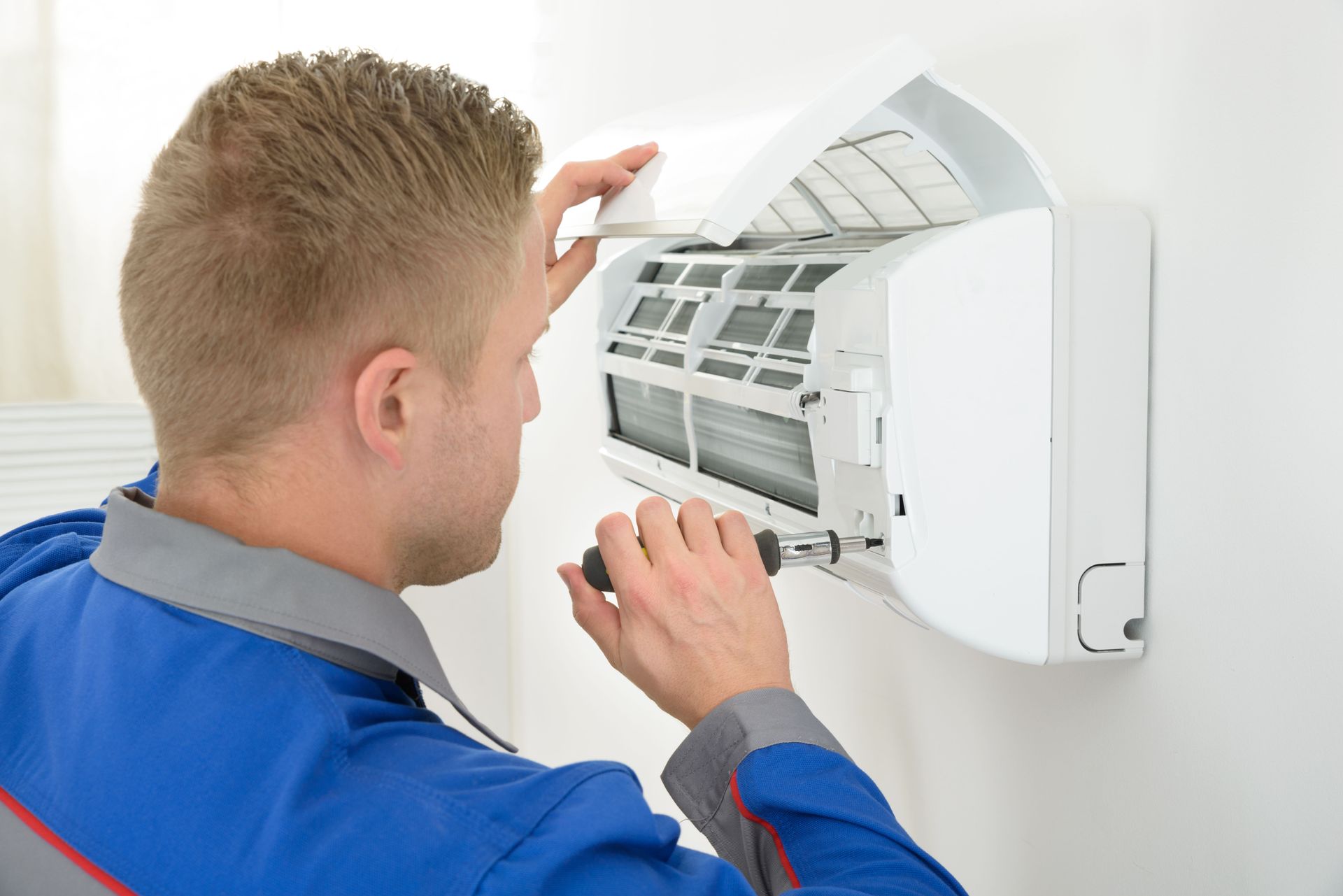
AC repair involves carefully disassembling components to access damaged or malfunctioning parts. Experienced technicians follow manufacturer guidelines and organized procedures to prevent unnecessary damage during the repair process. Proper documentation and systematic inspection also help ensure all issues are addressed before the system is reassembled.
Once the problem has been identified, technicians replace faulty components using high-quality parts designed for the system. Common repairs may involve replacing capacitors, motors, fans, wiring, or coils. Because each component plays a vital role in the operation of the air conditioning system, professional installation is critical for restoring reliable performance and preventing future complications.
Ductwork problems can also affect cooling efficiency and indoor comfort. HVAC professionals inspect duct systems for leaks, airflow restrictions, and insulation issues that may reduce system performance. Sealing leaks and improving airflow distribution can help lower energy costs while creating more consistent indoor temperatures throughout the property. Professional ductwork evaluations are an important part of maintaining overall HVAC efficiency.
After repairs are completed, technicians typically test the system thoroughly to confirm proper operation. This process may include checking airflow, measuring refrigerant pressure, calibrating thermostats, and monitoring temperature output. Final system testing helps verify that the repair was successful and that the unit is operating safely and efficiently. These detailed evaluations can help identify additional concerns before they become major problems.
The successful repair of an air conditioning system requires technical expertise, proper safety procedures, and attention to detail. By relying on qualified HVAC professionals to assess problems, perform repairs, and provide preventive maintenance, homeowners can help ensure their systems operate efficiently and reliably for years to come. Professional service not only protects the investment in the equipment but also contributes to improved comfort, energy efficiency, and indoor air quality. As HVAC technology continues to evolve, experienced technicians remain essential for keeping modern air conditioning systems running safely and effectively. For HVAC repair professionals you can count on, contact Air America today.